I Didn't Climb the Tech Ladder - I Fell Into It
Opportunities expire. What two missed chances taught me about timing, readiness, and learning systems the hard way.
I once walked into an interview loop knowing I wasn't ready.
I did it anyway.
The AWS Loop
I was asked to apply for a job at AWS in 2022 at that time I was very passionate about technical interviews I liked the challenges of the tasks I passed the first technical reading test which was a great interview because it focused on testing the thought process more than recalling Then came the loop. At that time My family and I were trying to move to Australia Although I would be very interested in working in my current position at AWS but leaving stability for a name on my resume wasn't what was needed at the time I just hadn't admitted it to myself before getting on the plane, so I went into the interview as I wasn't quite ready for my goal I walked into that loop misaligned, not underqualified. When the rejection email came, my first feeling wasn't disappointment, it was relief. But I later regretted wasting a rare, well-run interview process because I hadn't been honest with myself about my timing.
Google Foobar
Foobar is different. It looks quieter. I was invited in 2020 while you were searching for something on Google. It looked like it was playing. It was playful, clever, and unmistakably Google. I started taking the challenge, but I didn't finish them. "I'll get back to this". I told myself, after the visa stuff. Wait for everything to be ready. Wait for life to stop for a few seconds. I thought the opportunity would still be there. It didn't. Foobar got discontinued. With its discontinuation, I lost the chance to see how Google actually evaluates engineers.
The Pattern
These weren't failures of accomplishment.
They were failures of timing.
I wasn't honest with myself about readiness. I acted like opportunities would pause for me.
They don't.
The Messy Path
My path into tech wasn't planned. It was a series of sideways moves, each teaching me something the previous one didn't.
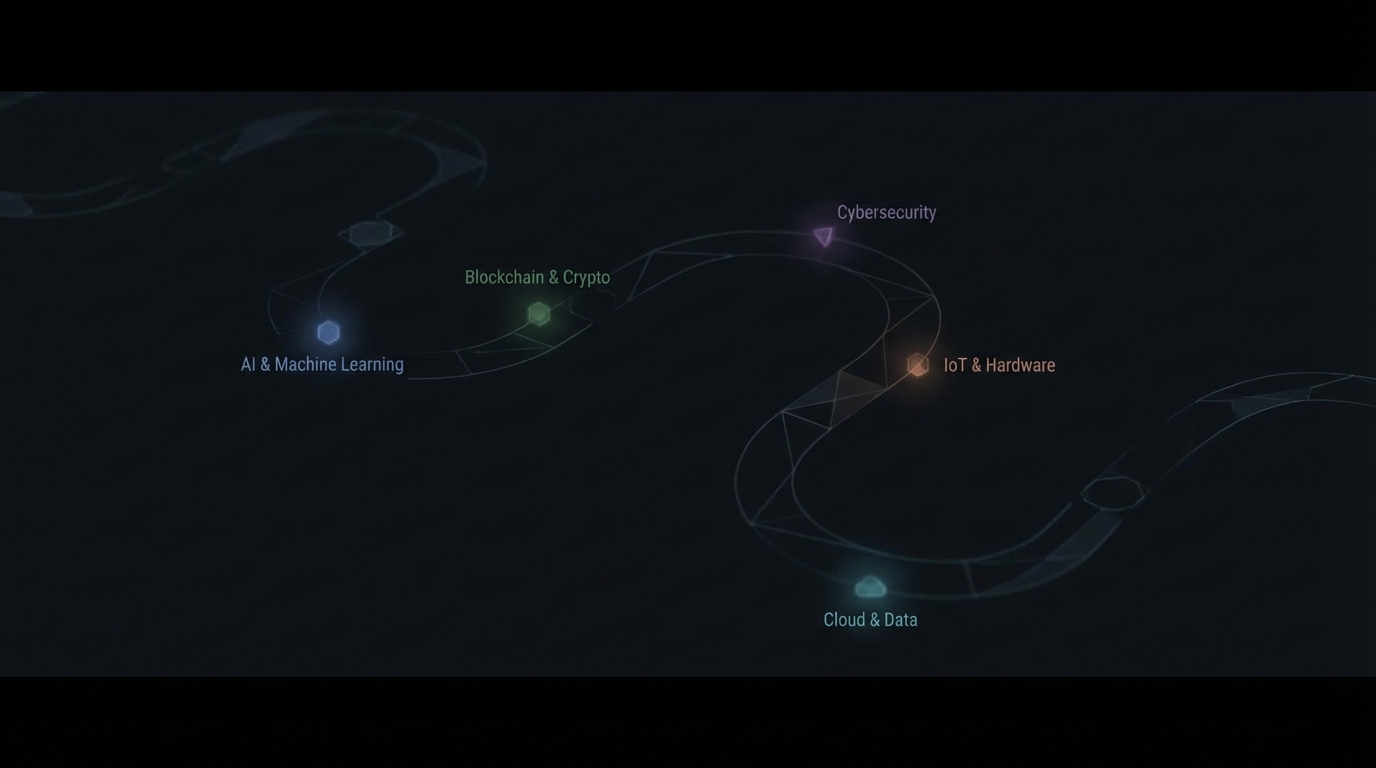
2001-2006: Internet Cafés I didn't grow up with home computers, but I did meet them at an internet cafe in Lampung, Indonesia, and I spent my time there playing games and watching creative people do things that I didn't understand. That's where curiosity started. It's not about the code, it's about what computers could actually do. 2012-2014: Early Frontend My first open-source software development work was HTML, CSS and jQuery. I was building things that worked while barely knowing why, learning through trial and error by copying, breaking, and fixing things without a degree or bootcamp. 2016-2017: Game Design I took a detour into game design, studying mechanics and player psychology, which taught me how users actually behave. 2017-2019: WebGL I worked on WebGL and Awe.media, building immersive 3D web experiences and learning the details of shaders, optimization, and browser performance. 2018-2020: WalletHub Security This is the point where security becomes a reality. BugCrowd reports real vulnerabilities and real attackers I've encountered the same patterns of attacks over and over again, both failed fixes and basic design that led to attacks I've written about this in The Bug That Kept Coming Back and 2020-Present: Breville/Vervio which covers both full story, infrastructure and incident response This last source is the point at which everything connects together from front-end behavior, backend assumptions, security realities to system design not because the job description said so, but because the problems demanded it
Where It Finally Clicked
The failure was not caused by a prestigious interview but it was caused by repetition caused by pressure and watching systems break in the same ways Bugs didn't care about team boundaries. Frontend failures from bad backend assumptions problems with the basic infrastructure blame it on "front-end running slow" Issues never stayed in their lane Security failures kept coming back. Bug reports came in non-stop - BugCrowd submissions and HackerOne findings and repeated attacks Fixes that worked locally didn't stick if you didn't build with abuse in mind abuse came back stronger as time goes on, so the problem starts to become more obvious.
Systems don't respect org charts. > Attackers don't respect assumptions. And opportunities don't respect "later."
That's when I stopped thinking in layers.

And started thinking in systems.
Falling Forward
Looking back, my path was messy.
I moved sideways more than up. I learned by breaking production. I understood behavior before I knew the terminology.
But that mess taught me things I still rely on:
- Why abstractions leak
- Why regressions come back
- Why boring systems actually survive
- Why readiness matters way more than opportunity
I didn't climb the tech ladder.
I fell into systems - and stayed.
If Your Path Is Messy Too
Before chasing any opportunity, ask yourself one thing:
If they said yes tomorrow, would I actually take it?
If the answer doesn't feel immediate - you're not ready.
And opportunities don't wait.
Timing isn't separate from readiness. It is readiness.
That's the lesson I learned too late.
Continue in Career