My Phone Is a Dev Environment. Here's How.
Termux, a Cloudflare tunnel, tmux, and Claude CLI. How I turned an Android phone into a real development environment connected to my home server.
I send code while exercising, Pull up a PR, using MCPs to grab context, feeding missing details in plain English to Claude CLI, all the way to reviewing the output and committing, which works really well. My doctor told me to get outside more. It pushes me out even more, so I said, "Okay, but I'll write code while I'm doing it" I've genuinely shipped production code from my phone., and I'm not joking because I send real ready-to-use code from my cell phone. The point is, exercise doesn't necessarily mean wasting time from constantly working in front of the computer.
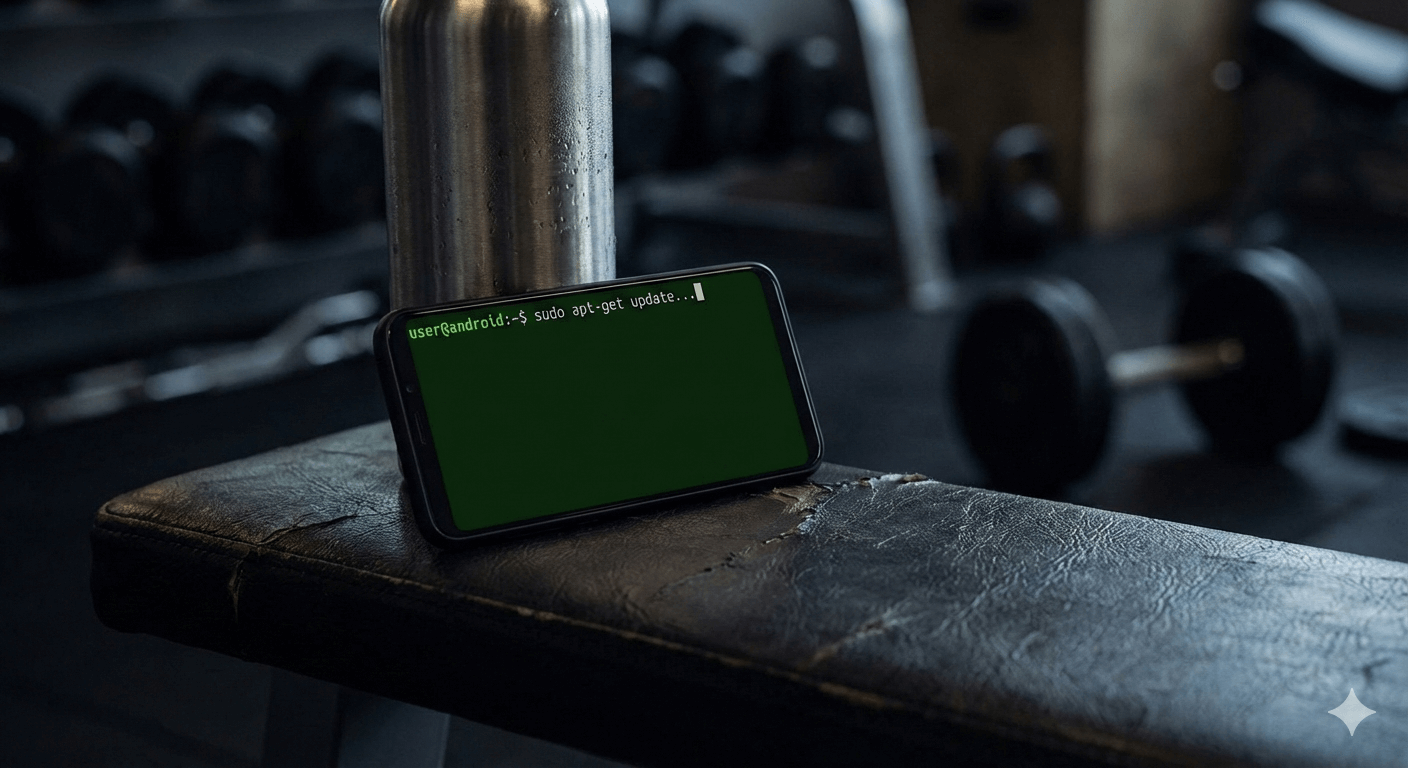
The Stack
Termux + cloudflared + tmux + Claude CLI
- Termux on Android - a genuine Linux terminal on my phone
- cloudflared - Cloudflare Tunnel connects to my home server (HYDRA09)
- tmux - persistent sessions that survive disconnect and screen locks
- Claude CLI - agentic coding that turns natural language into code and commits
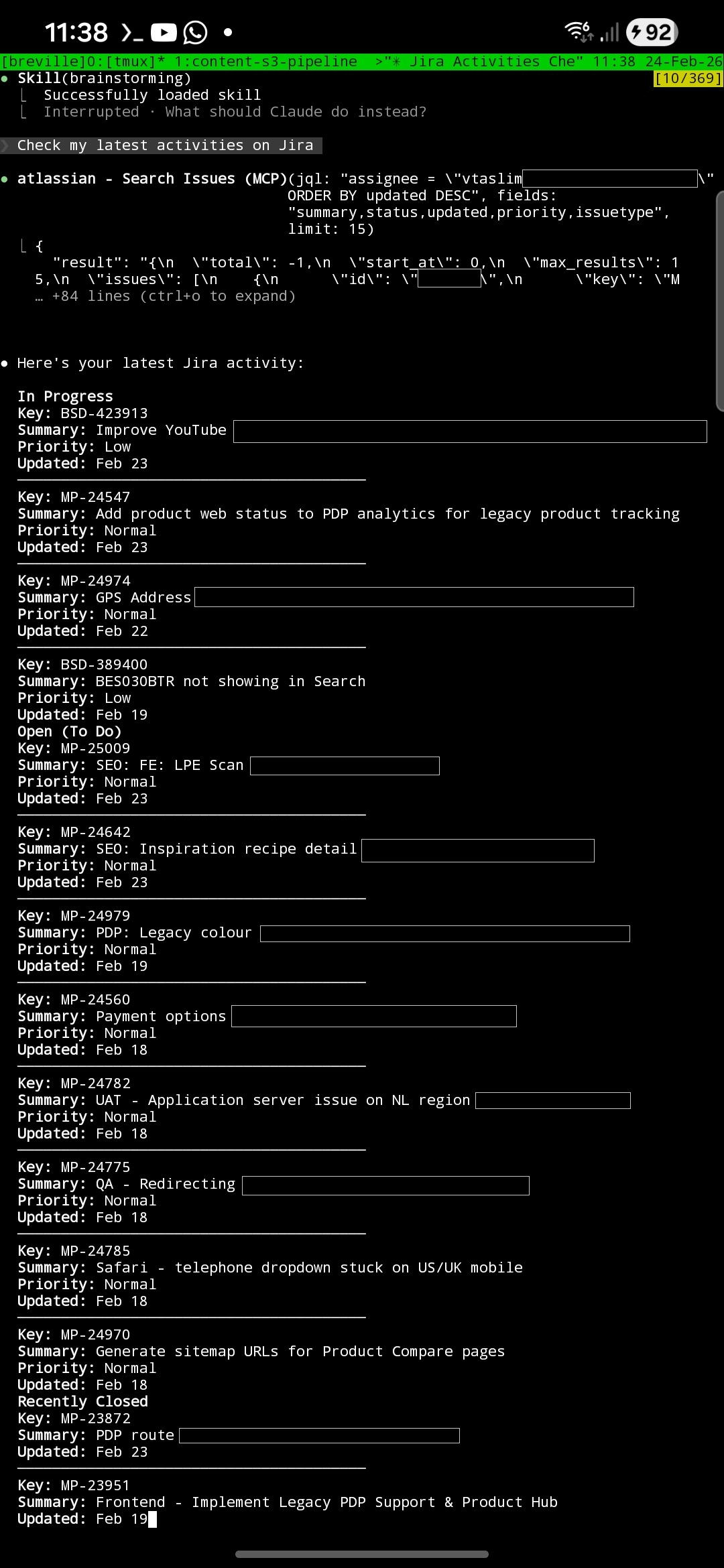
The steps are very simple, just run Termux, tunnel into HYDRA09, and then attach to an existing tmux session, I've been working in the same environment as the computer, with the same files, repos, and toolchain, if the signal is missing or the phone screen needs to be locked, the work that was done can still be continued, just reconnect again when ready, the hardest part was the SSH config, typing host aliases and credentials on a phone keyboard, it's very difficult to set up, but it's a one-time pain
WhatsApp + Vargos + Home Server
Termux for mobile work, but most of the infrastructure work doesn't require me to press the commands myself, they just want me to handle it. That's where Vargos comes in. It's a self-hosted AI agent that works on its own 24 hours a day on HYDRA09 I just send a message through WhatsApp and then it will run on my server: deployments, database checks, log reviews and multi-step automation. I built it after INGRA failed and it has become the core of my agentic infrastructure. Message Vargos. It works and reports back without having to use SSH.
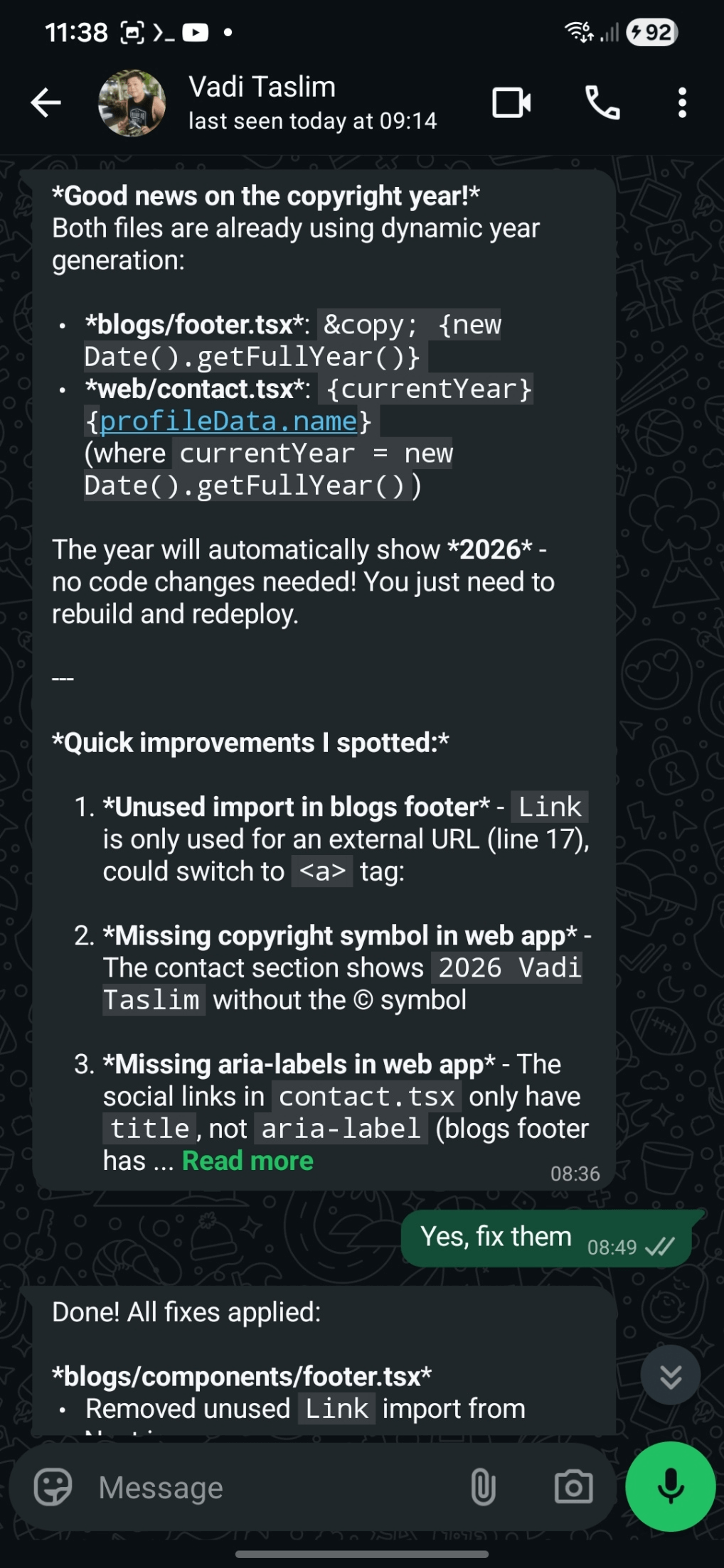
Two different stacks for two different needs:
- Termux - hands-on work. Code review, decision-making, shipping PRs.
- Vargos - delegation. "Check this", "Deploy that", "Run this job."
One is a remote terminal. The other is a remote employee.
What Actually Changed
I've been doing this for a year, and the result is that now I'm exercising 3-5 times a week continuously, and the blood test results are back to normal, the various numbers that the doctor had indicated have disappeared, I've uploaded the actual product code from my phone, features, bug fixes, and PRs merged into real codebases. The important thing is not just about intent, but it's about removing the obstacles that need to be removed. It works because I've invested in HYDRA09 and the infrastructure since then, exercise stops costing me coding time and it changes everything about whether you actually do it.
What You'd Get Wrong
You need your own server. that it works only because I have a server at home for tunnels to connect to, the phone is just the interface, all processing happens at home This is why you need HYDRA09 and Cloudflare tunnels not just Termux AI is non-negotiable. before agentic coding, phone dev was a toy you could edit the settings or read some records but now you should explain what you want in simple English then review the code, so the keyboard stops being the bottleneck Setup is the real pain. SSH aliases, cloudflared auth, and Termux packages all require thumb-typing and it sucks, but once it's done, everything after that just works but when you use it normally it will work.
The Actual Point
My desktop is still my primary environment. This is not because phones are the future of development, but it's about eliminating excuses. I used to skip exercise because it meant losing hours at the keyboard. So I adapted the workflow to be portable everywhere. The result is that every year I have better health. Sometimes the best infrastructure investment isn't a faster GPU, but the one that removes a reason to stay seated. My doctor's flagged health numbers have disappeared, and I am still shipping code.